
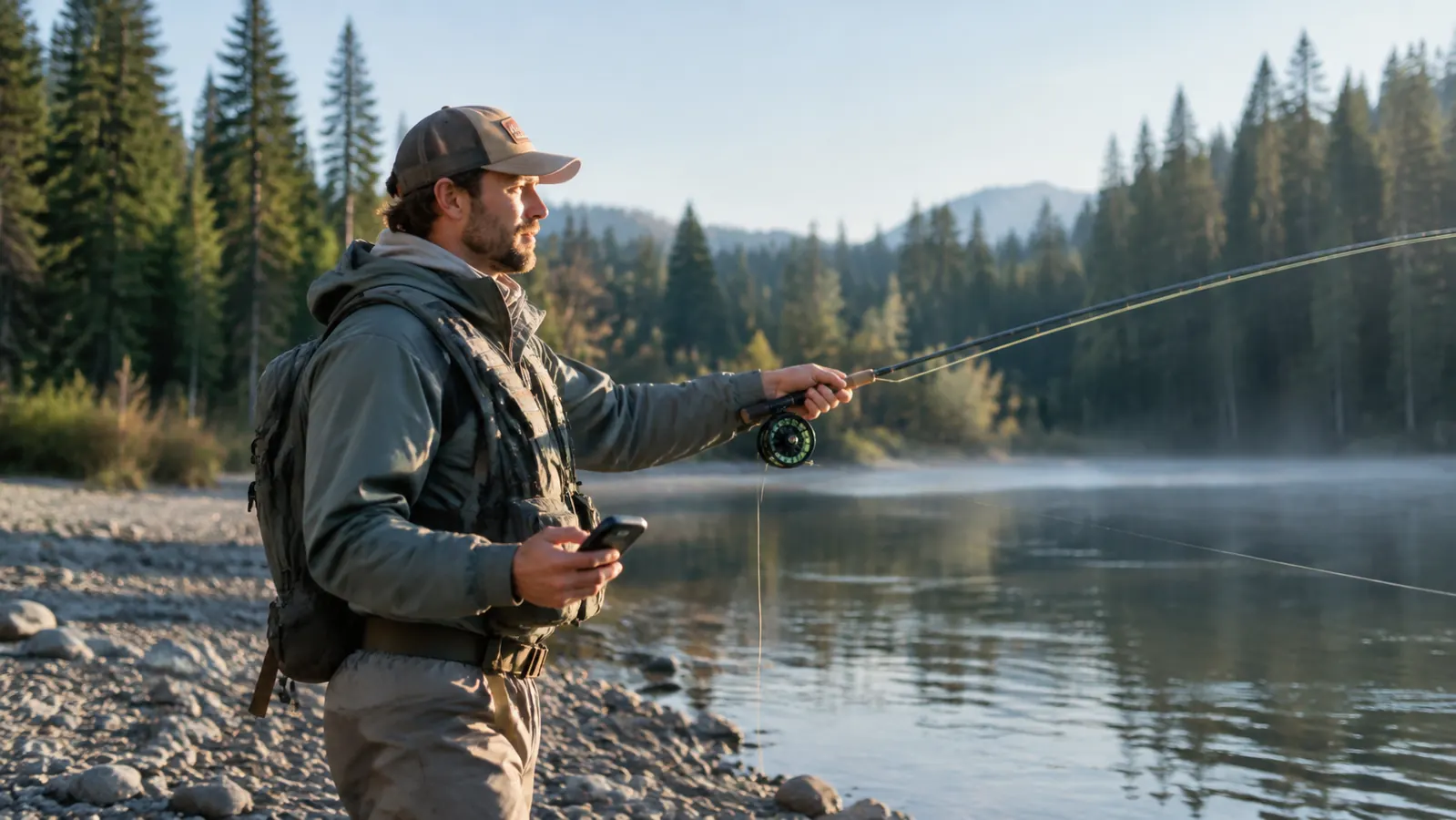
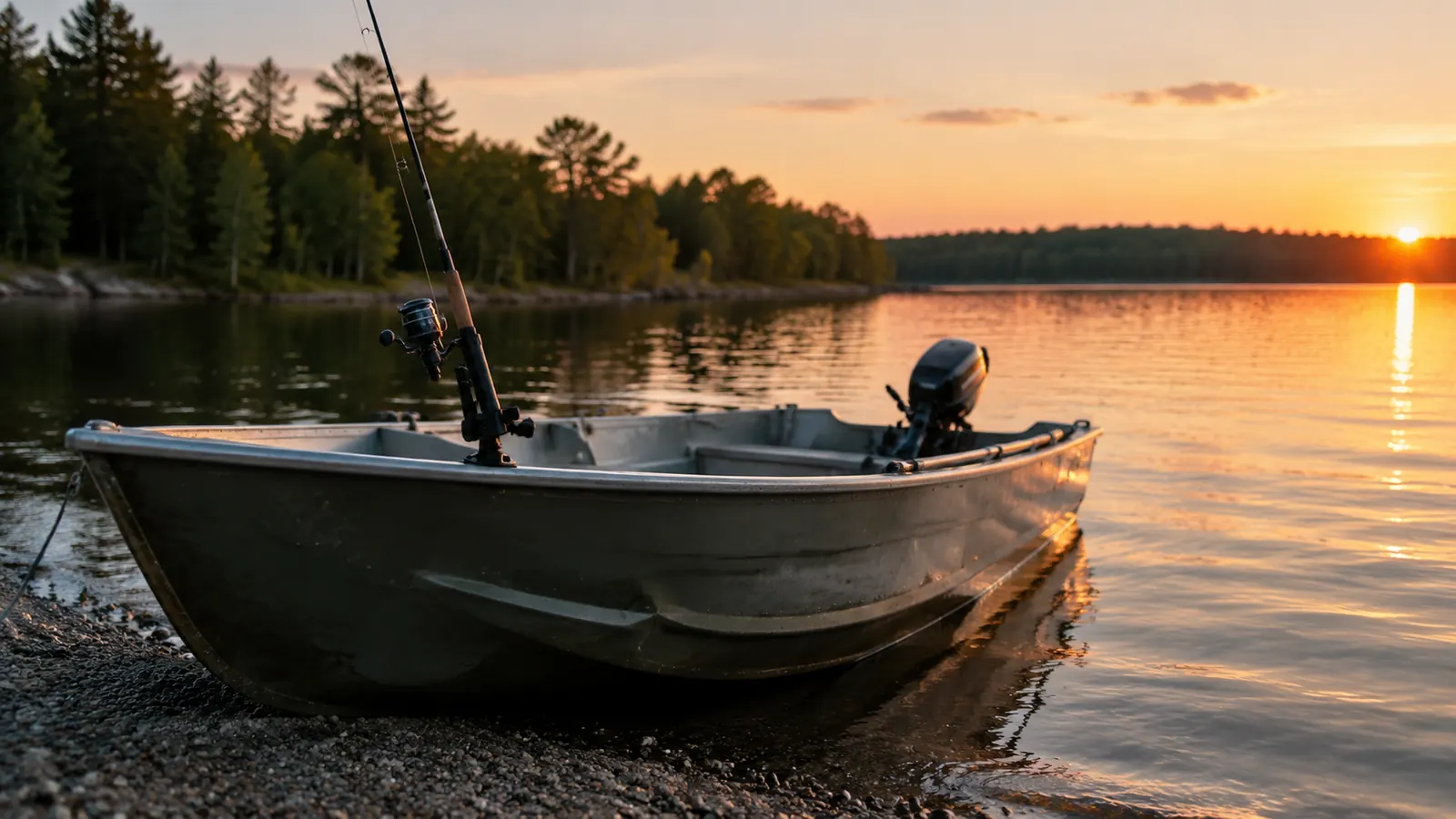
Some days I fish from my 14-foot aluminum boat on Rollins Lake, trolling for bass with a small outboard. Other days I walk the bank of the Yuba River with a spinning rod, trying to drop a lure into the deep pockets where trout hold. That split between boat water and shore water is the whole reason this comparison exists. A mounted fish finder like the Humminbird PiranhaMAX does its job well, but only when the boat is in the water. The LUCKY castable finder does the same job from shore, and that difference changes how often I actually reach for it. I have spent a full season with both, and they are not really competing for the same space in my tackle bag. One of them is bolted to my boat. The other rides in my jacket pocket, and it gets used more often.
If you fish from the bank even half the time, buy the LUCKY. If every trip starts with the boat and ends at the ramp, the Humminbird is the better tool. Neither one is a bad buy. They just answer different questions, and I would rather you answer the right question before you spend your money.
How I Used Both
I mounted the Humminbird on my boat three summers ago, and it was a straightforward job. The bracket bolts to the transom, the transducer clamps on, and the wiring runs to a 12-volt battery in the middle of the boat. Once it was in, it gave me a steady picture of depth, bottom hardness, and where the bass were holding on Rollins Lake. On a late-summer afternoon, when the fish pull off the bank into deeper water, that reading saves me from dragging lures over empty bottom for an hour. I trust that screen when I am moving.
The LUCKY I picked up later, mostly out of curiosity about casting a finder from shore. It works the way it sounds. You cast the small transducer out like a lure, wait a few seconds, and read the depth and the bottom on a handheld screen that sits in your palm. On the Yuba, where the current runs fast and the bank is littered with rocks, it let me find the deeper pockets that hold trout without wading out to my chest. It is not as sharp as the Humminbird. It does not need to be.
I used both on the same trips, sometimes the same morning. I would motor out on the lake with the Humminbird, mark a couple of spots, then beach the boat and spend the afternoon working the shore with the LUCKY. That pattern, mounted finder in the morning and portable finder in the afternoon, is why I keep both. If I could only keep one, the answer would come down entirely to where you fish, and I will get to that in a minute.
When I test gear, I try to use it the way a normal person would, not the way a reviewer would. So I did not run both units side by side every day for a month. I used them on real trips, the way you would, and I wrote down what annoyed me and what surprised me. The Humminbird never once let me down on the lake. The LUCKY surprised me by how often I reached for it on the river. That is the honest basis for everything below.
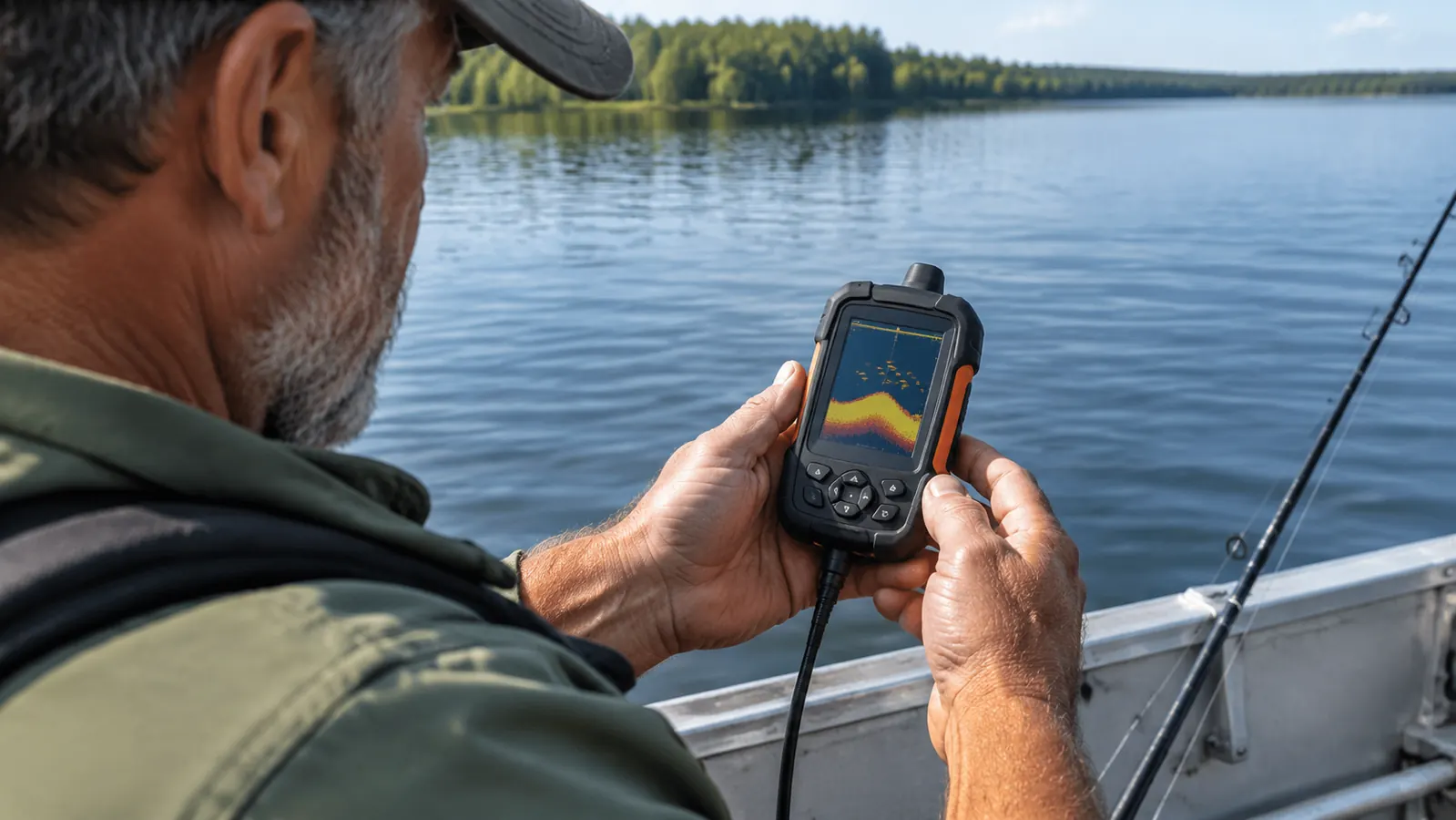
The Choice at a Glance
Here is the short version of what a season of side by side use taught me.
| LUCKY (our pick) | Humminbird PiranhaMAX | |
|---|---|---|
| Installation | Nothing to mount, ready in minutes | Transom bracket, transducer, and wiring to a boat battery |
| Screen | Small handheld screen, readable in sunlight | Larger display with sharper detail |
| Power | Built-in rechargeable battery | Runs off your boat's 12-volt battery |
| Fishing from shore | Cast it out and read from the bank | Only works when the boat is in the water |
| Reading while moving | You stop and wait for each reading | Continuous readings while you troll |
| Depth and detail | Shallower range, simpler picture | Deeper range, sharper bottom detail |
| Packability | Fits in a jacket pocket or tackle bag | Stays mounted on the boat |
What the Screen Really Shows You
On the water, the difference between the two screens shows up within the first few casts. The Humminbird paints a detailed picture of the bottom, with hard rock showing up differently than soft mud, and fish showing up as arches when they sit near the bottom. The LUCKY gives you a simpler read: depth, a rough sense of the bottom, and a signal when fish are underneath. For finding a drop-off or a hole, the simple read is plenty. For studying a specific piece of structure, the bigger screen wins.
I took both out on a calm morning on Rollins Lake to compare them side by side, dropping the LUCKY over the side of the boat while the Humminbird was running. Over a flat stretch of bottom, they agreed on depth within a foot. Over a rocky point, the Humminbird showed the detail and the LUCKY just showed a lump. Both pointed me to the same places to fish. The difference was confidence, not location.
Where LUCKY Wins
The LUCKY wins on every trip that starts with your feet on the ground. When I fish the Yuba, I am usually wading or walking the bank, and a mounted unit is dead weight in the truck. The LUCKY casts out, sits on the surface, and sends a reading back to the screen in my hand. I can cover fifty yards of bank in an hour and know the depth before I cast. That is something no mounted finder can do, because the Humminbird only reads where the boat happens to be. On the river, the LUCKY is not a compromise. It is the only option that works.
It also wins on simplicity. There is no wiring, no mounting bracket, and no boat battery to keep charged. I toss it in my jacket when I walk out the door, and if I do not use it, I have lost nothing but pocket space. On a weekend trip I can use it on the lake, then carry it to the river, then hand it to my wife Denise to try from a dock. You cannot hand a mounted unit to anyone. That flexibility is the whole argument for it, and it is why the LUCKY has a permanent spot in my truck rather than on my boat.
Where Humminbird Wins
The Humminbird wins the moment you need a real picture. On the lake, moving at trolling speed, the PiranhaMAX shows depth, bottom contour, and fish arches in a way the LUCKY cannot match. The screen is bigger and the detail is sharper. When I am hunting bass that have moved into thirty feet of water, I want that clarity, and the LUCKY is simply not in that class. It gives you depth and a rough bottom. The Humminbird gives you a picture you can act on.
It also wins on endurance. The mounted unit runs all day off the boat battery, and the transducer sits permanently in the water, so you get a continuous reading while you run from spot to spot. The LUCKY has to be cast, read, retrieved, and cast again, and its battery needs recharging after heavy use. If you spend whole days on the lake and never fish from shore, the Humminbird is the better tool. I would not argue with anyone who owns one and loves it. It is a fine unit, and it earns its place.
The finder that goes where you go
For shore anglers and small-boat weekenders, the LUCKY castable finder covers both worlds. Check today's price on Amazon and see if it fits your routine before you decide.
Amazon Check Today's Price on Amazon →The Practical Details That Decide It
The battery life is the detail people overlook. The LUCKY runs for a good long weekend on a charge, which is fine for how I use it, but you have to remember to charge it like you charge your phone. I keep a small charging cable in the glove box of my 2014 Tacoma so it is ready when I am. The Humminbird, by contrast, never runs out of power as long as the boat battery is healthy, which is why it feels like a permanent part of the boat. Neither approach is better. They are just different habits to keep.
There is also the question of what happens when something breaks. A mounted unit with a bad transducer means pulling the boat apart to fix it. The LUCKY is one small device you can replace without tools. On the other hand, the Humminbird's parts are easy to find and well documented, while a castable finder like this is more of a single unit that you either fix or replace. For a weekend angler, that usually means replace, and that is an honest tradeoff to know about before you buy.
One of them is bolted to my boat. The other rides in my jacket pocket. They are not competing for the same space.
One Thing Both Get Wrong
Neither unit is a replacement for knowing the water. I spent thirty-one years as a county road-maintenance foreman, and I have spent most of every summer since on the river, and a finder is a tool, not a teacher. The LUCKY will tell you there is a deep hole at the base of that run, but it will not tell you the trout are feeding at dawn. The Humminbird will show you fish on the screen, but it will not put a lure where they can see it. I mention this because a lot of first-time buyers expect a finder to find fish for them. It finds water. You still have to do the fishing.
There is also a learning curve to both, and neither manual does you any favors. I read both instruction sheets at my kitchen table and still had to fiddle with the settings on the water to get a clean picture. Give yourself a couple of trips before you judge either one. The first hour with a new finder is always the worst hour.
Who Should Buy Which
Buy the LUCKY if you fish from shore even part of the time, if you want something you can carry without a second thought, or if you are new to fish finders and not ready to drill holes in your boat. It is the easier entry point, and it works for the bank, the dock, the kayak, and a small aluminum boat. For a weekend camper in the Tahoe National Forest who fishes a different lake every trip, the portability is the feature that matters most. That is the person I would send to the LUCKY first.
Buy the Humminbird if your fishing is boat-only, if you want the best picture in this class, or if you run your finder for hours at a time. It belongs on a boat that stays in the water all season. If you are trying to decide between the two, ask yourself one question. On your next trip, will you be standing on the bank or sitting in the boat? That answer settles it, and it is the same answer I would give my neighbor over the fence.
The one that goes with you every trip
The LUCKY covers shore, boat, and everything in between. See today's price on Amazon and decide with the facts in front of you.
Amazon Check Today's Price on Amazon →