
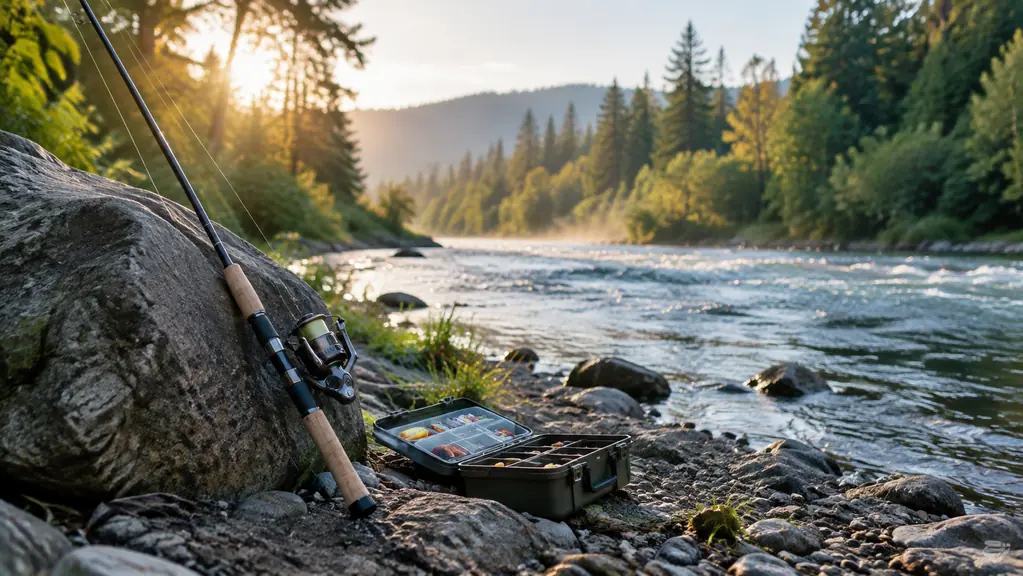
The first time I took a new spinning combo to the Yuba River, I spent more daylight untangling line than I did casting. It was a Thursday in mid-April, the water still running cold and clear off the snowmelt, and every knot I tied seemed to fall apart on the first decent tug. I blamed the reel for a while. The truth is the rigging was the problem. A spinning reel does what the setup tells it to do. Get the line, the leader, and the terminal tackle right, and the whole morning changes.
That Thursday I had a KastKing Centron spinning combo in my hands, the rod and reel matched from the factory. The line that came on the spool was heavier than I wanted for river trout, and my first cast showed me why. The line ballooned off the spool and piled at my feet in a wind knot the size of my palm. By noon I had cut and respooled twice and lost two good spoons to a snag on the far bank. What follows is the routine I settled on after that day and the half-dozen trips since, the same steps I use on the Yuba and up at Rollins Lake. It is not fancy. It just works.
Set the combo up right, then trust it
The KastKing Centron spins true out of the box once the line is right. The rod gives you the backbone to turn a fish in current, and the reel's drag handles a trout's first run without chattering. If you are starting from a fresh spool, this is the setup I reach for every time I am on the water.
Amazon Check Today's Price on Amazon →Step 1: Spool the reel with line that matches the water
For river trout on a spinning reel, I spool with 6-pound monofilament. I ran 4-pound for years and lost more fish to breakoffs than I care to count, especially in the rocky runs below the bridge on the lower Yuba. Six-pound is thin enough to cast a quarter-ounce spinner a long way and strong enough that a hooked rainbow on a hard run does not pop the line against a rock edge. I respooled the Centron with 6-pound mono that afternoon, and the wind knots stopped.
The knot matters before the line ever gets wet. I tie the line to the spool with an arbor knot, then close the bail and run the line through the guides under tension. I fill the spool to about an eighth of an inch below the lip. Too full and the line jumps off in loops. Too low and you lose casting distance on every throw. That eighth of an inch took me two seasons to learn, and it is the difference between a clean day and one spent picking out tangles.
Braided line is a fine choice if you want it, and I run braid on my bass setup, but for trout I stay with mono. The stretch of mono keeps a small hook from tearing out of a soft mouth, and it sinks at a rate that works with a spinning blade. On the Centron I have never felt the need for anything else. Keep the mono fresh. I strip and respool twice a season, usually at the start of the spring runoff and again in early fall when the water drops and the trout get picky.
Step 2: Tie a knot that holds when the water is cold
I use a Palomar knot for everything on a spinning outfit. It is the easiest knot to tie with cold hands, and it holds as well as anything I have used. I tie it the same way every time. Double the line, pass it through the eye, tie an overhand knot in the doubled line, then pass the loop over the hook or the swivel and pull tight. Wet the knot before you cinch it. A dry knot heats up as it tightens, and that heat is what snaps it on the first hard pull.
The day I stopped losing lures was the day I started testing every knot before I cast. I give each knot a sharp pull against the rod tip, and if it slips at all I cut it and start over. That April day on the Yuba I had tied a bad improved clinch on a spoon, and the fish took it on the second cast. I watched the spoon flash once in the current and then the line went slack. I have not lost a lure to a knot since I started the pull test, and that is years of fishing.
For the line-to-leader connection I use a small barrel swivel instead of tying line to line. It is a lazy solution and it is the right one for river work. The swivel stops the line from twisting when a spinner rolls, and it gives me a clean place to change leaders. I run about eighteen inches of 6-pound fluorocarbon leader below the swivel. The fluoro is nearly invisible in clear water, and on the low, clear stretches of the Yuba in summer, that leader is the difference between a follow and a strike.
Step 3: Rig the terminal tackle for how the trout are feeding
My default river rig is a quarter-ounce inline spinner in silver with a brass blade. I carry three or four of them in a small plastic box with the hooks pinched. Pinching the barb makes a hook easier to remove from a fish and easier to work free from a snag, and for catch and release it is the right thing to do. The spinner rides just above the bottom in a moderate current, and the blade thumps in a way trout can feel from a long way off.
When the water is high and stained in the spring, I switch to a spoon in gold or copper. The heavier spoon gets down to where the fish are holding, and the flash carries in dirty water. On the lower Yuba after the first big storm of the season, I have taken my best fish on a copper spoon worked slowly along the bank where the current tucks under the willows. When the water is low and clear in August, I go smaller, a sixteenth-ounce spinner with a single hook, and I fish it slower.
For bait fishing I rig a small split shot a foot above a size 8 hook with a nightcrawler or a single salmon egg. The split shot keeps the bait ticking along the bottom without dragging it through every rock. I used to set the split shot with my teeth, a habit my dentist would not approve of, so I keep a pair of split shot pliers in the tackle box now. The point is to match the rig to what the fish are doing. High water, go heavy. Low clear water, go light. The KastKing combo handles all of it with the same spool.
Step 4: Set the drag so the fish wins the first run
The drag is the part of a spinning reel that most people get wrong, and I was one of them for a long time. I used to set the drag as tight as it would go, and then every hooked fish that ran hard either broke the line or tore the hook out. The drag on the Centron is smooth, but it only works if you set it. I set mine so line pulls off the spool with a steady, even pressure when I pull by hand. Not easily, and not hard, but a consistent pull that the fish can work against.
The test is simple. With the rod pointed at the water and line running through the guides, I pull on the line and the spool should give line without the handle turning backward. If the handle kicks back, the drag is too tight. I check it every time I change lures, because the drag on a reel can creep as it warms up. The Centron has held its setting through a full morning of casting, and that is more than I can say for reels I owned twenty years ago.
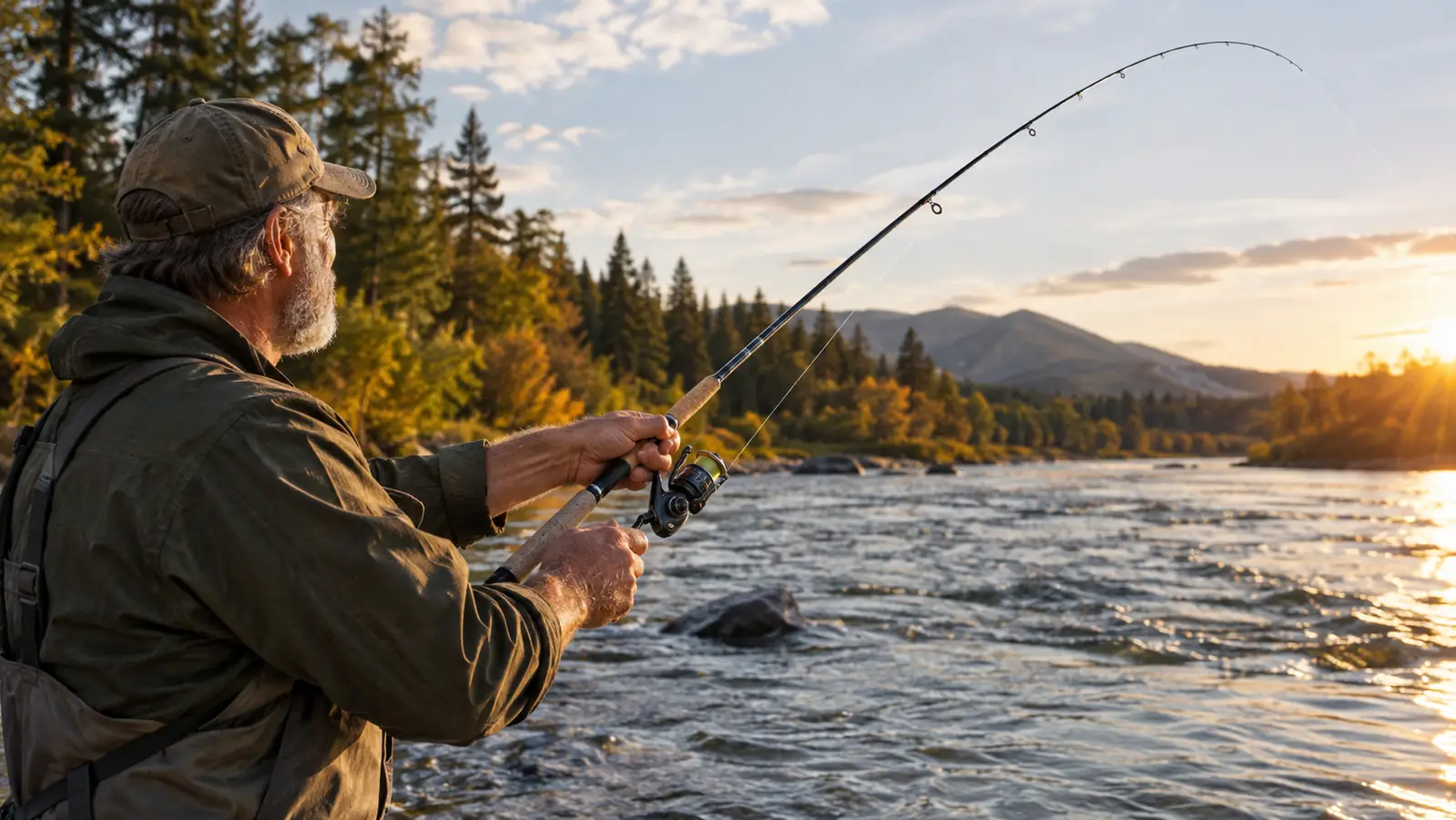
When a trout hits, I do not touch the drag. I let the rod do the work and I keep the tip up. The drag lets the fish take line on that first hard run, and by the time the run slows I have the fish turned and coming back. That first run is the moment most fish are lost. A reel with a smooth drag and a rod with some bend in the middle handle it without any heroics from me. That is the whole point of rigging it right. The gear does the work and I just steer.
Step 5: Work the water the way the current wants
I cast upstream and across, at about a forty-five degree angle to the current, and I let the spinner swing downstream while I reel just fast enough to keep the blade turning. The retrieve speed is the thing most beginners get wrong. Too fast and the spinner rides high and skips across the surface. Too slow and the blade stops and the lure sinks into the rocks. The right speed is the one where you can feel the blade ticking, a steady pulse that comes up the line to your rod tip.
I work the far bank first, then the seams where fast water meets slow, then the deeper pocket behind a boulder. On the Yuba I have a stretch below the old bridge where the current shelves into a hole, and that hole holds fish all summer. I cast a spinner across the head of the hole and let it swing through the tail. The strike usually comes just as the lure slows in the soft water. I keep my rod tip down and my line tight, and I set the hook with a short snap of the wrist.
The last thing I do on every trip is clean the combo before it goes back in the truck. I rinse the reel with fresh water, loosen the drag, and wipe the rod down. A spinning reel that dries out on the banks of the Yuba is a reel that grinds by August. The Centron has been through a full season with me and it still spins smooth, because I take the two minutes to rinse it after every trip. That small habit has saved me more gear than anything else I do.
What Else Helps
A pair of polarized sunglasses is the single most useful thing I carry after the rod itself. They let me see fish holding in the current and they cut the glare off the water so I can watch where my spinner is running. I bought a cheap pair years ago and I wear them every trip. A small net with a rubber mesh bag is worth it too. A trout tired on light line comes to the net easier than it comes to the hand, and the rubber mesh does not tear the slime off the fish.
I also keep a spare spool of 6-pound mono and a few extra swivels in the truck at all times, so a breakoff on the water does not end the day. And I bring a small reel oil and put a drop on the Centron bail hinge at the start of each season. That is the whole list. The rest is just showing up on the river with the rig set right, and knowing that the setup does most of the work before I ever make a cast.
The Centron has held its drag setting through a full morning of casting, and that is more than I can say for reels I owned twenty years ago.
Rig once, fish all day
The KastKing Centron spinning combo, spooled with 6-pound mono and rigged the way I described, has been my river trout setup for a full season. It casts light lures clean, the drag holds, and it rinses down to nothing when the day is done. If your current combo fights you more than it fishes, this is the one I would hand a neighbor.
Amazon Check Today's Price on Amazon →