
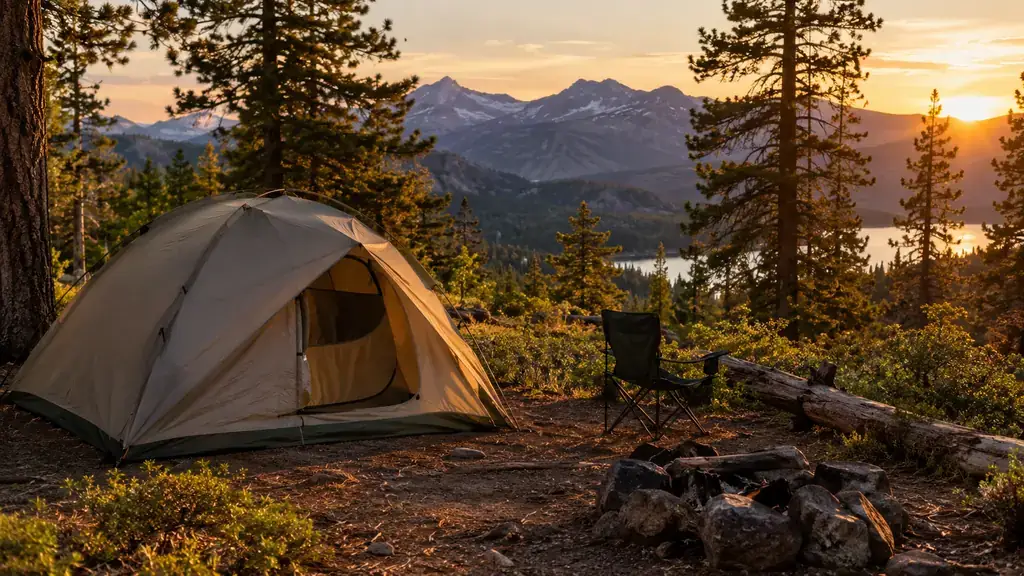
You know the feeling. You pull into the campsite at 6:45 on a Friday evening in late September. The sun is already dropping behind the ridge. You can see your spot, but you can also see the light going fast. The firewood is still in the truck, Denise is looking at the sky, and somewhere in the back of your mind is the voice that says you should have left an hour earlier. Pitching a tent in the dark is nobody's idea of a good time. Fumbling with poles you cannot see, dropping stakes in the duff, fighting a rainfly that looks different in the beam of a headlamp. It turns a simple job into a half-hour argument with yourself.
The fix is not a bigger tent or a fancier one. It is a tent you can put up without thinking, and it is having the routine down before you need it. For me, that tent has been the Coleman Sundome for the last several seasons. It is not a mountain tent, and the stakes it ships with are thin. But as a weekend shelter it does its job without drama. I'm Russ Kirchner, retired county road foreman, and I live in the Sierra foothills outside Grass Valley. Denise and I camp the Tahoe National Forest most weekends from spring through fall, and the Sundome rides in the back of the Tacoma on every trip. Coleman says you can set it up in ten minutes. That is not a marketing number. It is a real one, once you know the order of operations. Here is how I get ours up before dark, step by step.
The Tent That Goes Up Before the Light Goes
The Coleman Sundome is the tent I keep in the truck all season. It pitches in minutes, handles a normal Sierra shower, and comes in sizes from two to six person. Rated 4.6 out of 5 from more than 23,000 reviews. Check today's price and see which size fits your trip.
Amazon Check Today's Price on Amazon →Why a Fast Pitch Matters
Speed is not about bragging. It is about the hour it happens. Most of us arrive late because that is when the week lets go. The fire needs building, the cooler needs sorting, and the light is going. A tent that takes twenty minutes of wrestling costs you the calm part of the evening. A tent that goes up in ten gives you time to sit. That is the whole point of the weekend, and a tent you have to fight ruins it before it starts. The other reason speed matters is weather. Afternoon thunderstorms come over the Sierra ridges in July like clockwork. Being able to get the shelter up and the fly on in a few minutes is the difference between dry gear and a soggy night.
Step 1: Pick Your Spot Before You Unload Anything
Walk the site before you carry anything over. You are looking for level ground, which is rarer than you think in the Tahoe National Forest. A slope you do not notice while you are standing becomes a slope you feel all night when you are lying on it. Test the spot by standing where your head will go and looking toward your feet. If it looks off, it feels worse. Look for a place where water will not run toward you when it rains, meaning a slight rise, not a low pocket. Clear the ground of pine cones, sticks, and rocks. The Sundome floor is coated and reasonably tough, but a sharp stick under a sleeping pad is still a sharp stick under you.
Think about wind before you commit. The Sundome is a dome, which is a good shape for wind, but the door should not face straight into the prevailing breeze. In the Sierra that usually means the door away from the west, where the afternoon wind comes from. And do not pitch under a dead limb. That sounds obvious, but a campfire makes you look up, and a tent does not. Thirty seconds of looking costs nothing. Two minutes of moving the tent saves you a bad night.
While you are looking, decide which way the tent door should face. Toward the fire ring if there is one, because nobody wants to walk around the tent in the dark to get to the chairs. Toward the view if the site has one, because the first thing you see in the morning should be the lake or the ridge, not the neighbor's truck. Denise has strong opinions about this. I have learned to ask before I stake anything.
Step 2: Lay the Tent Out Flat and Zip It Shut
Take the tent out of the bag and lay it on the spot you picked, door where you want it. Zip the door and the windows shut before you do anything else. I learned this the hard way when a gust picked up the tent body while I was feeding poles and turned it into a sail. A zipped tent is a flat tent, and a flat tent stays where you put it. If the ground is damp or the duff is deep, this is the moment to lay a tarp down first. Tuck the tent edges under and you keep the floor clean.
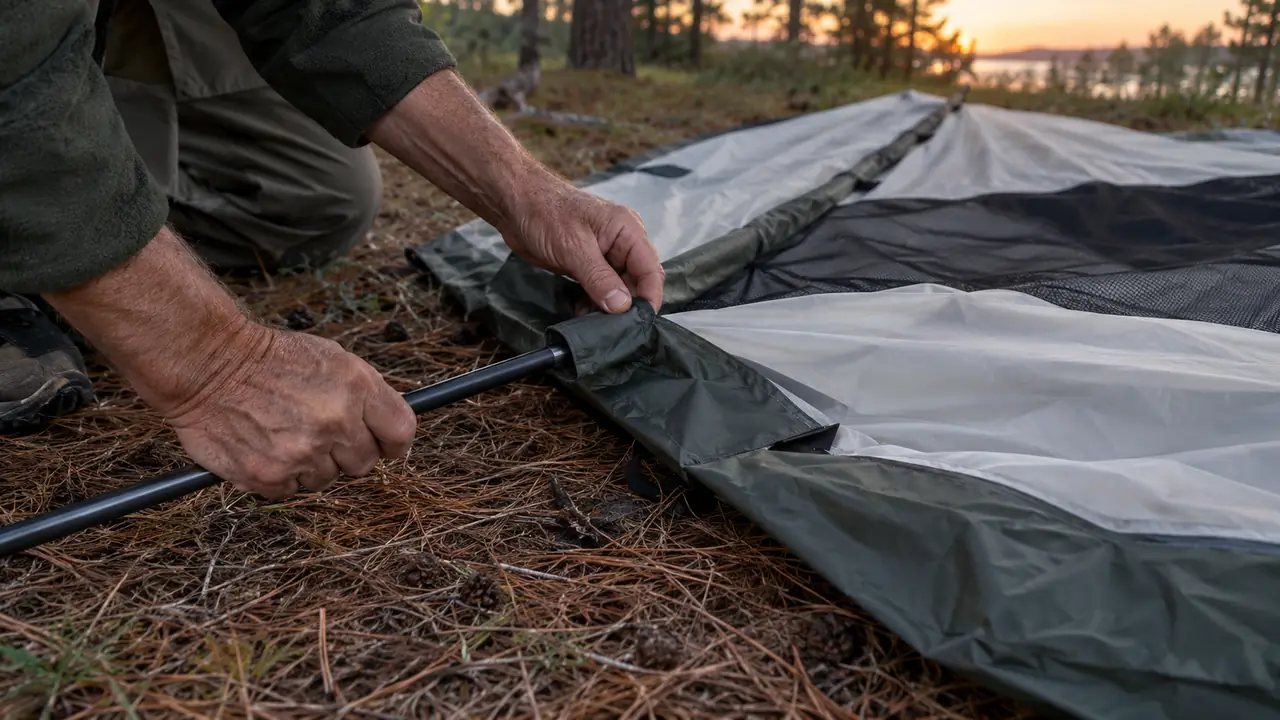
Coleman packs two shock-corded fiberglass poles with the Sundome. They come in sections that snap together, and the cord pulls them into a straight line. Put each one together by feel, no need to look at it. Lay them out next to the tent with the ends separated, so you can grab them in the order the sleeves want them. The sleeves are on the tent body, running over the roof from one corner to the corner across from it. Take a second to look at the path each pole will take before you start feeding.
Step 3: Run the Poles Through the Sleeves and Seat Them
This is the heart of the Sundome setup. Each pole runs through a sleeve that crosses the roof from one corner to the opposite corner. Start with one end of the pole in the metal ring pinned at a corner of the tent. Work the pole along the sleeve, feeding it through a section at a time. When it reaches the far corner, seat the other end in the ring there. Then do the second pole the same way, crossing the first. When both poles are seated, the tent stands up on its own. That moment never gets old, even after years of weekend trips.
The trick is not to force it. If a pole hangs up in the sleeve, back it out an inch and feed it again. Fiberglass flexes, but it snaps if you fight it, and a broken pole ends the trip. If a pole seems too long for the sleeve, you are probably feeding it along the wrong path. Stop, pull it out, and look at how the sleeve crosses the roof. Go slow the first few times. Once you have the feel, this step takes about two minutes.
Step 4: Stake the Corners and Tighten
With the dome standing, stake the four corners. Pull each corner out until the floor is smooth, then push the stake in at an angle, leaning away from the tent. Staking opposite corners first, rather than walking around in a circle, keeps the floor square. The stakes that ship with the Sundome are thin steel pins. They work fine in the soft duff you will find at most Tahoe Forest campgrounds. If you camp where the ground is rocky or hard-packed, pick up a set of heavier stakes and leave the originals in the bag.
After the corners, stake the door corners as well if the tent has loops there. You want the floor drum-tight, with no wrinkles under your sleeping pad. Wrinkles pool water and wear holes over time. Tight floor, straight walls, that is the goal. If a stake hits a root and will not go, move the stake an inch to the side rather than hammering it through. Roots hold stakes fine until you try to pull them in the morning.
Do not skip the stake in the middle of the long wall if your model has a loop there. That one stake is what keeps the wall from flapping in the wind and keeps rain from pooling along the side. It takes five seconds. Do it while you are already down on one knee with the mallet in your hand.
Step 5: Put on the Rainfly and Guy It Out
The rainfly is the difference between a tent and a shelter. The Sundome's fly covers the roof and drapes over the upper walls, which is enough for a normal Sierra shower. Drape it over the dome so the seams match the corners. Fasten the clips or ties that hold it to the frame, then pull the fly out at the corners so it does not sag against the tent body. A fly that touches the tent will wick water through the fabric. You want a gap of air between the two layers. That air gap is what keeps the inside dry on a cold night, too.
Most Sundome flys have loops at the corners and a couple of short guy lines. Use them. Stake the fly corners out, and if the wind is up, run the guy lines to the ground and stake them. A fly that is staked out sheds wind and rain. A fly that is just draped looks fine and leaks on the second night. Ten minutes of extra work keeps you dry. Leave the vents cracked if your model has them. A little airflow cuts condensation, which is the quiet way tents get damp on the inside.
If the forecast is clear and the night is warm, you can leave the fly off and sleep under the mesh. The stars through the ceiling of a Sundome are one of the reasons we keep this tent instead of upgrading to something heavier. But check the sky before you commit. A front can move over the Sierra faster than you think, and putting a fly on a wet tent in the dark is no fun.
What Else Helps
A few things make the whole job faster. A small tarp under the tent keeps the floor clean and dry, and it is worth the two minutes to lay it down first. A rubber mallet drives stakes without bending them. A headlamp is non-negotiable, even when you plan to be done by dark, because plans change. Keep the stakes in a small stuff sack or a zippered pocket, not loose in the bottom of the bag. Loose stakes are how you end up hunting for one in the dark. And the one tip I would give anybody: pitch the tent once in the yard before you ever take it camping. Do it in daylight, do it in ten minutes, then repack it the same way. The first time you set it up in the forest will feel like the second time, because it is. Coleman's ten minute number is not a stretch.
Denise and I have had this tent up in eight minutes flat, rainfly included, and that was with one stake we had to set again.
The Bottom Line
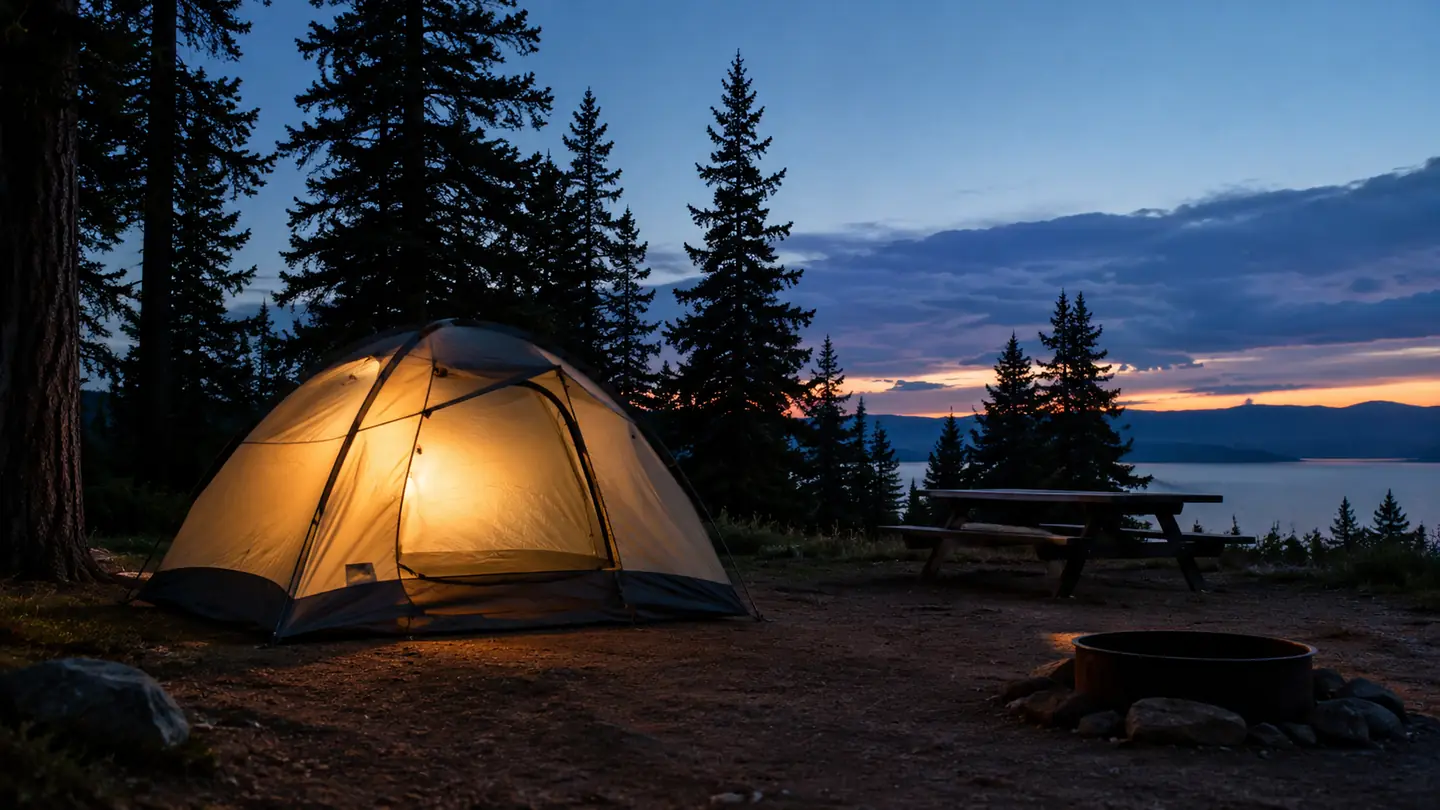
If you want a tent that gets out of the way of your weekend, the Sundome is hard to beat. It is not a luxury tent. The fiberglass poles flex in a hard wind, the stakes are thin, and I would not take it above treeline or into snow. What it is, is simple, proven, and fast. More than 23,000 reviews on Amazon and a 4.6 average, with a design that has not needed to change because it works. The two person version is enough for one person and gear. The four person fits two cots with room to move. Denise and I use the six person because we like the space when the weather keeps us inside. For a weekend camper who wants to be sitting at the fire by 7:30 instead of wrestling with poles in the dark, it is the right tool. There are longer reviews of the Sundome on this site if you want to know how it holds up over a full season of trips. Check the current price, pick a size that fits your crew, and pitch it once in the yard before you go.
Have the Tent Ready Before Your Next Friday Afternoon
A tent that pitches in minutes is the difference between a calm evening and a frustrating one. The Coleman Sundome is the one I keep in the truck all season. Check today's price on Amazon and have it ready for your next trip.
Amazon Check Today's Price on Amazon →