
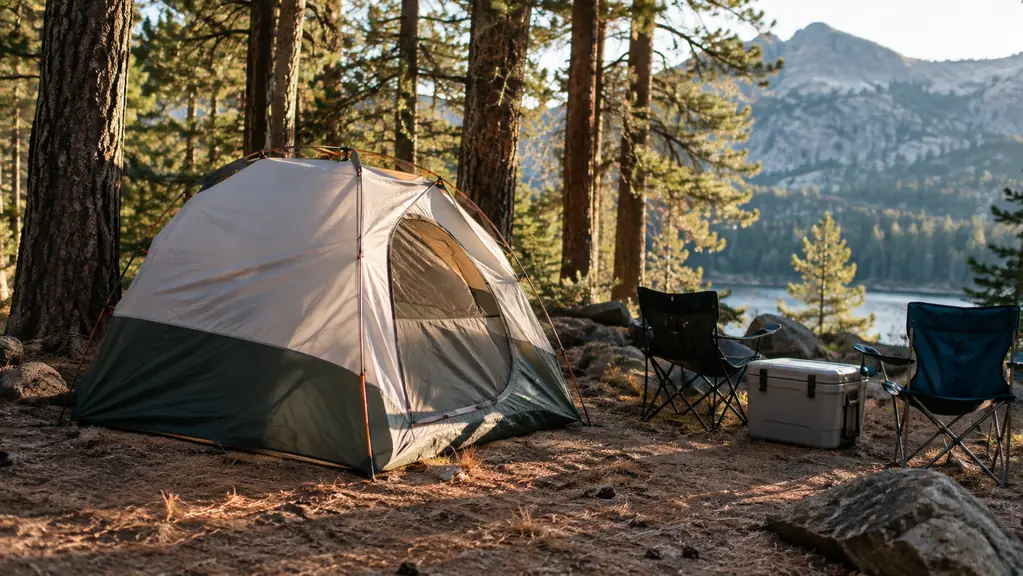
Nobody tells you about the rainfly. The Coleman Sundome looks like a proper three-season tent in the pictures, with a full cover over the top and walls that go all the way down. Then you get it home, set it up in the yard, and notice the rainfly stops about a foot above the ground. That gap is the first thing I'd warn a neighbor about, because it decides what kind of weather this tent can honestly handle. It is also the thing the online reviews bury on page three.
I've camped in the Tahoe National Forest for the better part of four decades, most of it in tents that cost less than a tank of gas. I bought my Coleman Sundome two summers ago to replace an old cabin tent that finally gave up. Denise and I use it for three and four night trips, mostly at Rollins Lake and up near the Yuba River. This review starts with the weak points, because that's the part the product page leaves out.
Three seasons and twenty trips later, I can tell you exactly where the Sundome earns its keep and where it cuts corners. The short version is this: it is a good tent for the kind of camping most of us actually do, and a poor tent for the kind of weather the marketing photos imply. The long version is below, starting with the weak points. If you read nothing else, read the rainfly section.
The Quick Verdict
The Sundome is a good fair-weather tent that gets sold as a storm shelter. Know what the rainfly doesn't cover and replace the stakes, and you'll get years of solid weekend camping out of it.
Amazon Check Today's Price →The Sundome Is a Fair-Weather Favorite Done Right
If you camp where the afternoons are dry and the nights are calm, the Sundome does the job at a price that leaves room in the budget for a better sleeping bag. Check today's price and current stock on Amazon before you commit.
Amazon Check Today's Price on Amazon →How I've Used It
I'm Russ. I live outside Grass Valley, in the Sierra foothills, and I've been camping in the Tahoe forest since I was old enough to carry a duffel. For thirty-one years I ran a county road crew, so I know what cheap tools do when you lean on them. That's the standard I bring to a tent.
The Sundome has been on maybe twenty trips since I bought it. Some of those were quick overnights at Rollins Lake with the 14-foot aluminum boat, fishing for bass until dark. Others were longer stays up at higher campsites near the Yuba River, where the afternoons build into thunderstorms and the nights drop into the forties.
I set it up in the yard first, the way I'd tell anyone to. The first setup took me about twenty minutes, not the ten the box promises. By the third trip I could do it in about twelve, alone, with Denise holding the flashlight. Now it's the first thing out of the truck and the last thing packed, because it's the easiest part of camp to get right.
The bag is a cylinder about two feet long, and it fits across the back seat of my Tacoma or flat in the bed under the tonneau cover. It's not a backpacking tent, and it doesn't pretend to be. It rides in the truck, gets tossed onto the ground at the campsite, and takes a beating getting in and out. That's the life it was built for.
The Rainfly Doesn't Cover the Walls
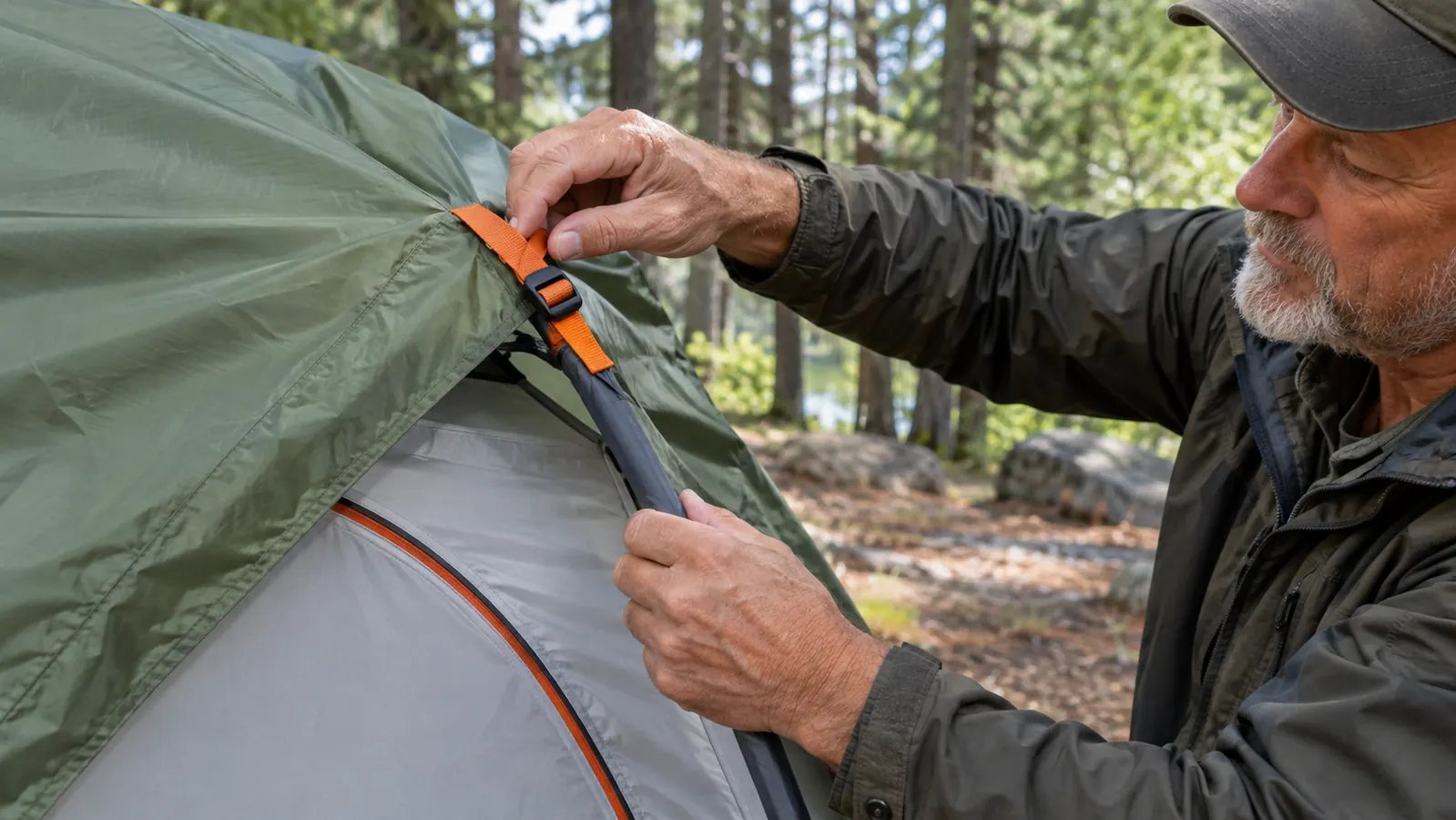
Here's the honest version of the rain story. The rainfly covers the roof and the top of the walls, and it leaves the bottom foot of the tent exposed. In a straight-down rain, the Sundome is fine. The seams are factory taped, and the floor has never leaked on me. The product page calls it weatherproof, and that's true in a narrow sense. It sheds rain. It is not waterproof the way a tent with a full rainfly is waterproof. The trouble starts when wind pushes rain sideways, which is exactly what happens in an afternoon thunderstorm at altitude.
The lower walls are a coated polyester, so they shed light rain. But the door zipper sits in that exposed band, and zippers are where damp gets in. On the worst night I had with this tent, a storm blew through around 2 a.m., and the walls wet through where the rainfly gap met the door. Nothing flooded. The sleeping bags stayed dry. But the bottom six inches of the tent and the edge of our gear were damp by morning.
The fix is simple and it costs nothing but attention. Pitch the tent with the door facing away from the prevailing wind. Stake the rainfly out tight, not loose. And if you know a storm is coming, point the narrow end of the dome at the wind. The wind here comes up almost every afternoon in July, so I treat the rainfly like a sail that needs trimming. A loose rainfly flaps all night. A tight one sheds wind and rain and sleeps quiet. Do that, and the Sundome rides out weather that would soak a cheaper tent.
There's no vestibule either. The rainfly stops at the door, so you step straight out into the weather. In a light rain that's fine. In a downpour you'll be standing in it while you pull your boots on. I keep a small tarp rigged over the door on wet trips, and it turns the front of the tent into a useful porch. That tarp weighs about a pound and it's worth carrying.
The Poles, the Stakes, and the Ten Minute Claim
The poles are fiberglass. That's the honest truth about a tent in this price range, and it's the main reason I don't call the Sundome a true three-season tent. Fiberglass bends, and it survives normal use. It does not like being forced. I've seen a pole sleeve rip because someone pushed a bent section through instead of backing up and working it past. Take the time to feed the poles gently and you won't have that problem.
The stakes are the weakest part of the whole package. They're thin, they bend in hard ground, and the Tahoe forest floor is mostly hard ground with pine needles on top. I replaced mine with a set of heavier aluminum stakes the first season, and I'd put that on any short list of Sundome upgrades. Same for the guy lines. The tent comes with them, but most people never tie them out. Tie them out.
About the ten minutes. After you've done it a few times, the Sundome goes up fast, because the poles are color coded and the clips just snap over the frame. Ten minutes is realistic for one person who has practiced, with the rainfly going on right after. It is not realistic the first time, and it is not realistic in wind. Budget fifteen or twenty and you won't be annoyed. The clips are the part I like best. They snap over the frame with one hand, which matters when the other hand is holding a flashlight.
In cold weather, fiberglass gets stiff. I've had a pole end pop out of its pin on a frosty October morning, and it went back in easy. But I've also seen poles splinter on tents of this type when someone forced a kink at 30 degrees. The trick is to flex them slowly and never fight a bend. Warm them with your hands if you have to.
What the Sundome Gets Right
Now the part that keeps me coming back. The Sundome is simple. There is no hub to fight with, no struts to line up, no instructions that read like a legal document. The poles go through the sleeves, the clips snap on, the rainfly hooks over the top, and you're done. When you've driven three hours and the light is going, simple wins.
The interior is honest about its size. In the four person model, two adults and their gear fit without rubbing elbows. The center height is enough to sit up in the middle, which is more than I can say for some tents that cost twice as much. The mesh roof opens wide, and on a clear night you can lie there and watch the stars through it. Denise likes that more than I do, and I like it plenty. The walls are near vertical at the bottom, which sounds like a small thing until you roll over at 3 a.m. and your shoulder doesn't touch damp fabric.
It also takes abuse. I've packed it wet, set it up on pine needles and bare dirt, left it up for four days in the sun, and the floor and seams are still sound. For a weekend camper who treats gear like gear, the Sundome will outlast the novelty of a fancier tent.
And then there's the price. I'm not going to quote numbers here because they change every season, but the Coleman Sundome sits at the affordable end of the tent aisle, and it outlasts plenty of tents that cost more. That's the value that keeps it in production year after year, and it's why I'd buy another one tomorrow.
Condensation Is Part of the Deal
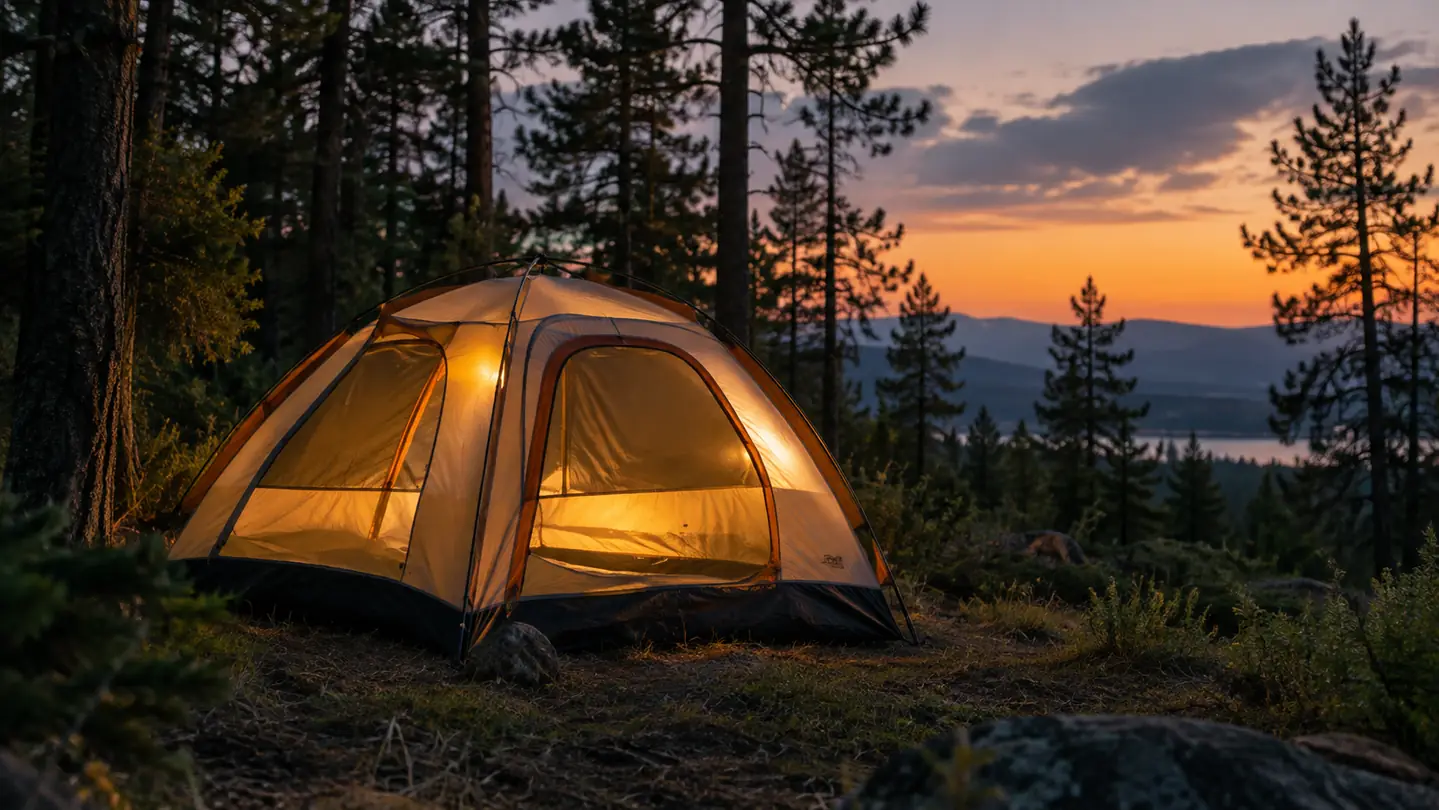
Here's what nobody tells you about any tent in this class, and the Sundome is no exception. Two people breathing all night in a closed tent produces a surprising amount of moisture. By morning the walls are damp, and if you pack a wet tent into the bag, it will smell by the second trip.
The mesh panels help when the weather is dry. On cool nights you crack the door and the vent at the back and the airflow is enough to keep the worst of it off. The rainfly makes it worse, because it traps the damp air against the roof. My routine is simple: air the tent out for twenty minutes over a chair before I pack it. A dry tent packs smaller and lasts longer, and that's true no matter what brand is on the tag. I also leave the rainfly loose at the bottom corners on dry nights, which lets a little air move without letting rain in.
If you camp alone with the door cracked, condensation is barely a problem. With two people and the rainfly on, it's part of the routine. Denise and I have learned to expect damp corners and to keep our sleeping bags away from the walls. That's not a defect in the Sundome. It's the physics of a tent that seals up tight, and every tent in this class does the same thing.
What I Liked
- Sets up in about ten minutes once you've practiced, and the color-coded poles make it hard to get wrong.
- Honest room for two adults and gear in the four person size.
- Factory taped seams and a floor that has never leaked on me.
- Simple, durable construction that takes the abuse of weekend car camping.
- The price leaves room in the budget for better stakes, a footprint, and a nicer sleeping pad.
Where It Falls Short
- The rainfly stops a foot above the ground, so wind-driven rain wets the lower walls.
- Fiberglass poles that need gentle handling in cold weather.
- The included stakes bend in hard ground and are worth replacing immediately.
- Condensation on the walls by morning when the rainfly is on.
- The ten minute setup claim is optimistic for a first time or a windy day.
The Sundome is a fair-weather tent that gets sold as a storm shelter. Know that before you buy, and you'll be happy with it for years.
Who This Is For
Buy the Sundome if you're a weekend camper like me. If you drive out on a Friday afternoon, sleep three nights under pine trees, and drive home Sunday, this tent is the right amount of tent. It suits car camping, festivals, backyard sleepovers, and the kind of trip where the tent is a place to sleep, not the point of the trip.
It also suits someone replacing a tent that finally broke, or a family buying a first tent for kids who will treat it rough. When the Sundome finally wears out, and it will eventually, you won't feel bad about it. You'll just buy another one.
One more thing in its favor. The Sundome is a tent you can hand to someone who has never camped. A neighbor borrowed mine for a music festival and set it up without calling me once. That's worth something when the whole point of the weekend is to relax.
Who Should Skip It
Skip it if you camp where the wind howls. The Sundome is a dome tent, and dome tents shed wind better than cabin tents, but this is not a mountain tent. If you regularly camp above treeline, or in desert country where the wind never stops, spend the money on something with a full rainfly and poles that take a beating.
Skip it if you want a tent you can stand up in, or one with a door on both sides. The four person Sundome has one door, and when Denise is asleep between me and it, I've climbed over gear instead of waking her. The single door also means the tent has to face one direction, and if the view and the wind disagree, the wind wins. Skip it if you're an ultralight backpacker, because it's heavy and it packs big. This is a tent for the back of a truck, not the bottom of a pack.
And skip it if you want a tent that handles snow load. A heavy, wet snow will bend fiberglass poles in a hurry. The Sundome is a summer and shoulder-season tent in my book. I take it down before the first big storm instead of trusting it through one.
The Sundome Is the Right Tent for the Right Camper
If your trips look like mine, three nights in the Tahoe forest with the truck parked nearby, the Sundome is a solid buy. Just budget for better stakes and a ground cloth. Check today's price on Amazon and see if it fits your kind of camping.
Amazon Check Today's Price on Amazon →